
Answered 24/7
Emergency Asbestos Removal in Rockville Centre
When a burst pipe, a fire or a hasty tear-out has already broken suspect material open, a crew isolates the area, controls the dust and takes it out properly.
Something Already Cracked Open
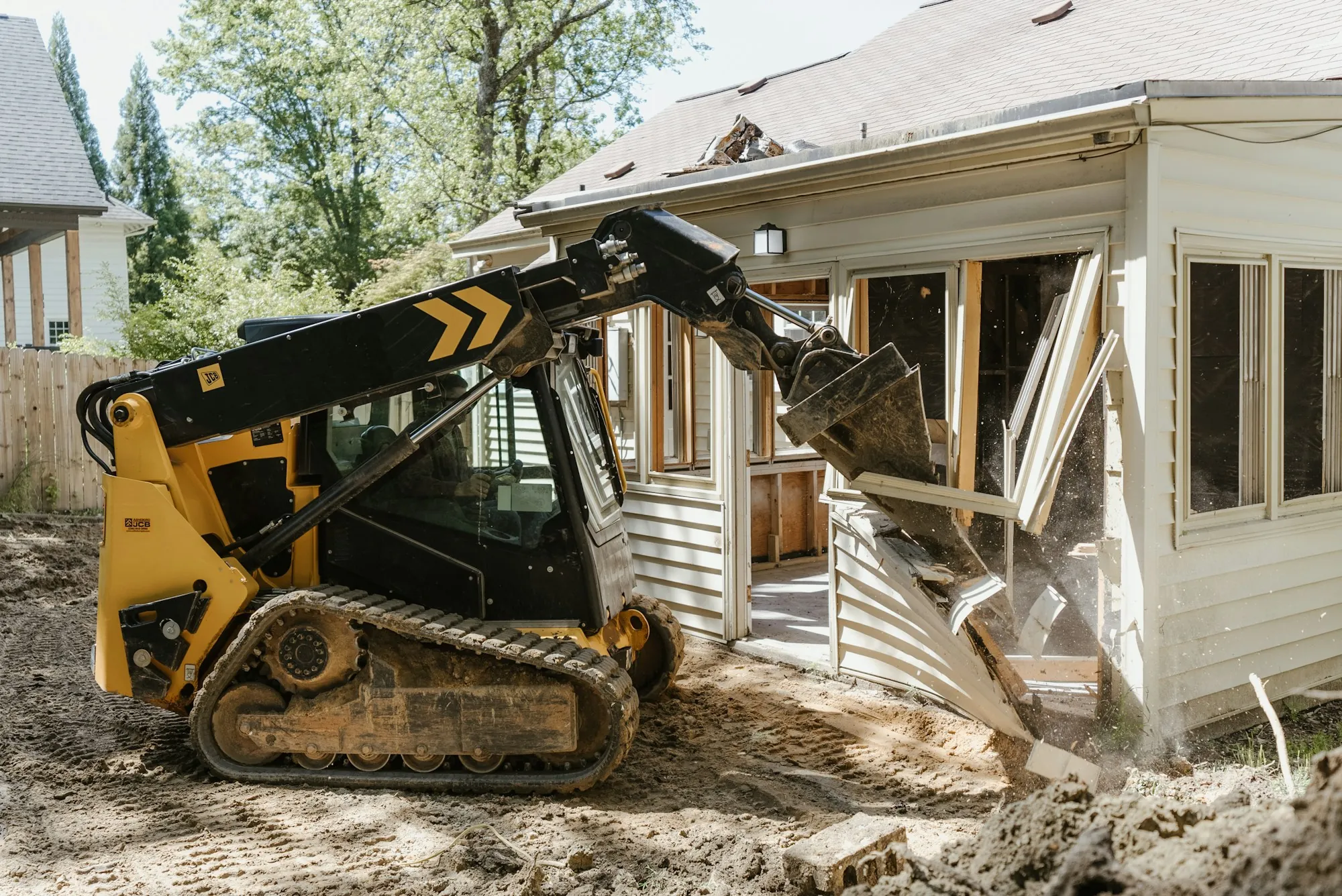
Most asbestos work is planned weeks ahead. Emergencies are not. A pipe bursts behind a ceiling and brings down wet, textured plaster. A small fire chars the old wrap around a boiler. A storm rips loose a section of cement siding. A contractor, or a weekend project, gets halfway through pulling up a floor before anyone thinks to ask what the tiles were made of. In each case the concern is the same: material that may contain asbestos is no longer intact, and every footstep or draft can carry its dust further. Some of the most useful work happens before the truck pulls up. Down tools. Shut the door on that room and keep the family, and the dog, on the far side of it. Kill the blower on the furnace or the AC if its ducts reach that corner. Do not sweep, vacuum or wipe up the debris, because ordinary cleaning spreads fibers rather than catching them. Then call the emergency line. The phone is answered 24/7, nights and weekends included, and the person you reach will walk you through what to do in the meantime. When the crew arrives, the first priority is isolation: the affected area is sealed with plastic and a HEPA negative air unit is set up so whatever is loose stays put. Debris is kept wet, collected and packed into sealed, labeled bags, damaged material is removed, and surfaces are HEPA vacuumed and wet wiped. Samples confirm what was involved, and an independent air test shows when the space is clear. For homeowners in Rockville Centre dealing with a flooded basement or a stalled tear-out, that sequence turns a frightening mess into a contained, finished job.
What an Emergency Response Includes
Every situation is different, but these are the steps that bring a disturbed area back under control.
Guidance on the first call
Plain coaching while you wait: which door to shut, which blower to switch off, who stays out.
Isolation of the damaged area
Plastic sheeting and sealed openings so loose debris cannot travel into the rest of the building.
HEPA negative air
Filtered exhaust keeps air flowing into the work zone and away from the rooms you are still using.
Wet collection of debris
Chunks of plaster, shattered tile and shredded wrap kept damp and picked up piece by piece, with no broom or household vac anywhere near it.
Removal of damaged material
Whatever was broken open is taken out completely, not patched over and left for the next renovation to find.
Sampling to confirm
Samples go to an accredited lab so you know exactly what was disturbed and whether more work is needed.
Cleanup and clearance
A HEPA pass, a damp rag and an outside air sample come before that door opens again.
From the Phone Call to a Safe Room
Call and secure the area
Describe what happened and what broke. While the crew is on the way, you will be told how to close off the space, turn off the HVAC and keep people out without making the dust worse.
Contain and collect
The crew seals the affected area, starts negative air and begins collecting debris wet. Damaged material is removed and packed into sealed, labeled bags for disposal at a permitted facility.
Confirm and reopen
Lab results confirm what was involved and every surface is cleaned. Once independent air testing comes back clear, the space can be repaired and used again.
Why People Call Us in the Middle of a Mess
A person picks up
The emergency line is staffed 24/7, so you get real instructions in the middle of the night, not a recording.
Calm, ordered steps
Isolation first, removal second, clearance last. Nothing is rushed in a way that spreads the problem.
Finished, not patched
Damaged material is fully removed and the area air tested, so the repair crew starts on a clean slate.
- Line answered around the clock
- Area isolated first
- Wet debris collection
- Air tested before reopening
Something Just Broke Open?
Down tools, shut that door and leave the debris for the professionals. Ring the after-hours number and someone will coach you through the wait while the truck gets loaded.