
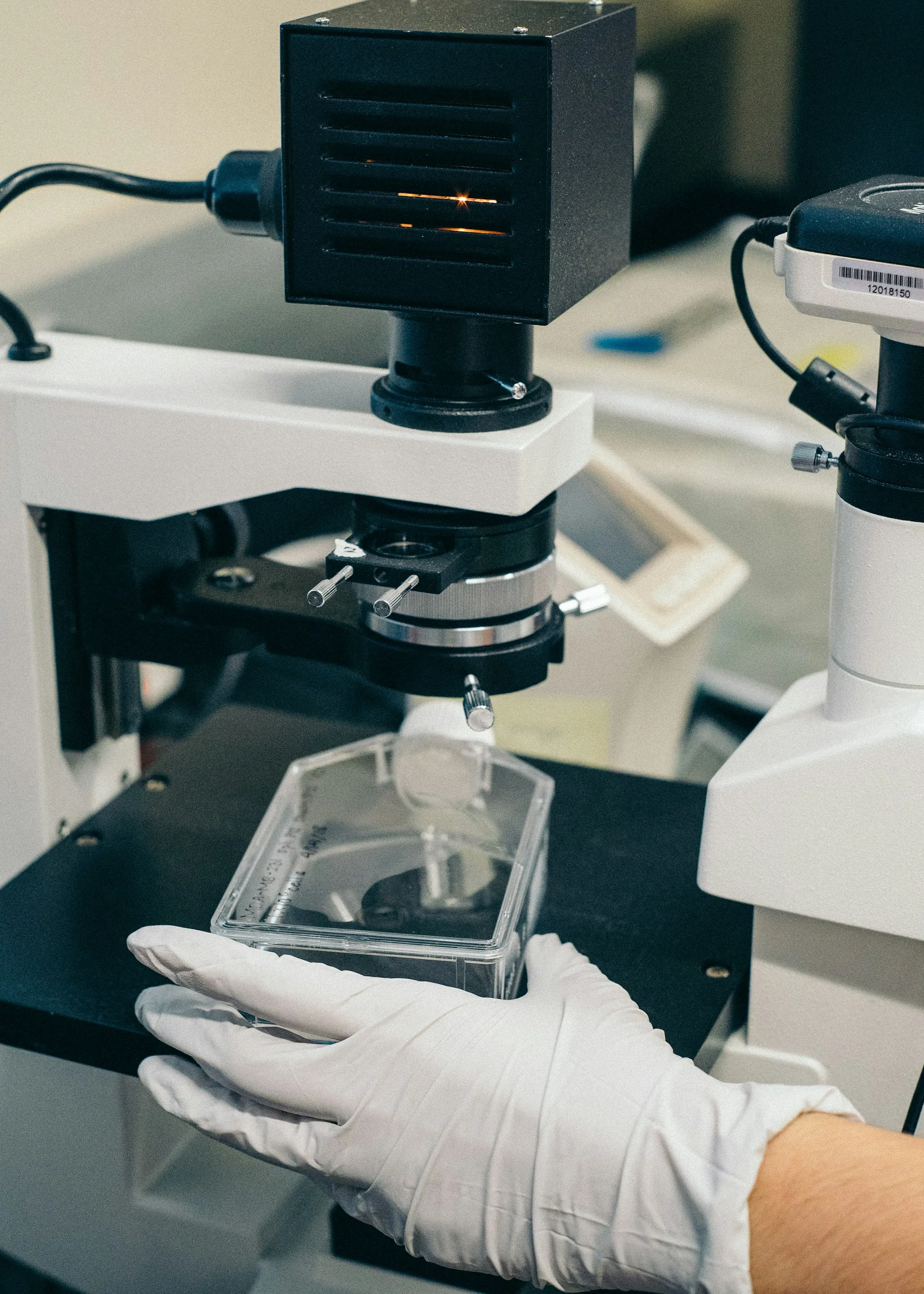
Plugs, labels and lab reports
Asbestos Testing in Rockville Centre, NY
Know which materials contain asbestos before the first wall opens, so the renovation is planned around results and nothing gets disturbed by accident.
Answers Before Anyone Picks Up a Pry Bar
No inspector worth hiring will judge it by eye. A Kennedy-era floor square with asbestos in it looks just like one without, and the same is true of pipe wrap, ceiling texture, plaster and joint compound. Manufacturers kept adding the mineral to products well into the Carter and Reagan years, so in an older house the only honest answer to the question is a lab result. That paper is what you are really buying here. The certified inspector arrives, studies the areas your project will touch and takes small samples of each suspect material, sealing every one and recording exactly where it came from. The spots are patched so nothing is left exposed. The samples go to an accredited laboratory, and the report that comes back tells you, material by material, whether asbestos is present. From there, the decisions get simpler. Anything that comes back clean goes to your usual carpenter or flooring installer. Positives that sit outside the work zone can often stay put, intact and undisturbed. Only the positives your renovation will actually cut, sand or remove need to come out, and the removal scope is written from the results. Homeowners in Rockville Centre usually call before a kitchen or basement remodel, a heating system replacement or a purchase of an older home, and contractors call when they want an answer before their crew goes any further. Testing is also the right first step when you simply want to know what is in the house you live in.
What Testing Covers
The inspection is shaped around your project, so the samples answer the questions that actually affect your plans.
Touring the scope first
Before any plug is cut, the inspector studies the rooms, systems and surfaces your project will disturb and identifies every suspect material.
Careful sampling
Small samples taken with the area misted, each one sealed and labeled, and the spot patched afterward.
Accredited lab analysis
An accredited lab, not a glance or a birth year on the deed, decides what each sample is.
Results you can read
A sample-by-sample report, each result pinned to the spot it was cut from, positives and negatives alike.
Advice on what to do next
Whether positive material can be left alone or must be removed, based on what your renovation will touch.
A scope if removal is needed
When results call for removal, the written scope is built directly from them.
How Testing Works
Talk through the project
Describe the remodel, the repair or the purchase and point out the surfaces bothering you. We figure out which areas need sampling so nothing important is missed and nothing unnecessary is tested.
Inspect and sample
The certified inspector tours the space, flags each suspect surface and mists it before cutting a small plug. Each sample is sealed, labeled and logged with its location.
Review the results
The accredited lab returns its findings and we go through them with you, material by material, so you know what your contractor can handle and what calls for licensed removal.
Why Start With Testing
No paying for guesses
Removal is scoped to what the lab confirmed, so negative materials never end up on the bill.
No accidental exposure
Your contractor knows what is safe to cut before the saw comes out, not after.
Plain explanations
Results are walked through in everyday language, with a straight answer on what happens next.
- Plugs cut by a certified inspector
- Read by an accredited lab
- Every result pinned to a spot
- Scope built from results
Find Out Before the Renovation Starts
A handful of plugs today beats a crew sent home next month. Describe the plan and the surfaces that worry you, and the inspector visit gets set.